


How Chronic Stress and Cortisol Can Contribute to Fatty Liver Disease

Woman in quiet stillness representing chronic stress and body healing through nervous system recovery
Picture of Paige Elizabeth
Paige Elizabeth

Founder and Coach

The Liver Condition No One Is Linking to Stress

For years, conversations about liver health centered almost entirely around alcohol consumption. 


If someone developed fatty liver disease, the assumption was simple: alcohol was the cause. 


But medicine now recognizes another growing condition called non-alcoholic fatty liver disease (NAFLD), a form of liver fat accumulation that occurs in people who drink little or no alcohol. 


And one of the most overlooked contributors to this condition is chronic stress.

Meet Cortisol: Your Body's Built-In Alarm System

At the center of this relationship is the hormone cortisol. 

Cortisol is produced by the adrenal glands and is designed to help the body respond to stress. 


It mobilizes energy, raises blood sugar, and prepares the body to act quickly when faced with a threat. 

In short bursts, cortisol is incredibly helpful. 


The problem arises when stress becomes chronic and the nervous system remains in a prolonged state of activation. 

When cortisol stays elevated over long periods of time, it begins to disrupt metabolic regulation, particularly in the liver.

How Cortisol Signals the Liver to Keep Releasing Glucose

One of cortisol’s primary functions is stimulating the liver to release glucose into the bloodstream through a process known as gluconeogenesis. 


This ensures the body has enough fuel during stressful situations. 

But when cortisol remains elevated for months or years, the liver receives a constant signal to keep releasing glucose. 


This persistent elevation in blood sugar forces the body to produce more insulin in an attempt to restore balance. 

Over time, this can lead to insulin resistance, a condition where cells stop responding effectively to insulin’s signal.

How Liver Fat Begins to Accumulate

When insulin resistance develops, the liver begins converting excess glucose into fat in the form of triglycerides. 

These fats can accumulate inside liver cells, gradually leading to non-alcoholic fatty liver disease. 


In other words, the body begins storing energy in the liver because stress hormones keep signaling that more fuel is needed. 

This is one reason many individuals experiencing chronic burnout begin noticing metabolic symptoms such as stubborn weight gain, fatigue, brain fog, and difficulty maintaining stable energy levels. 


The body is essentially stuck in a state of metabolic survival.

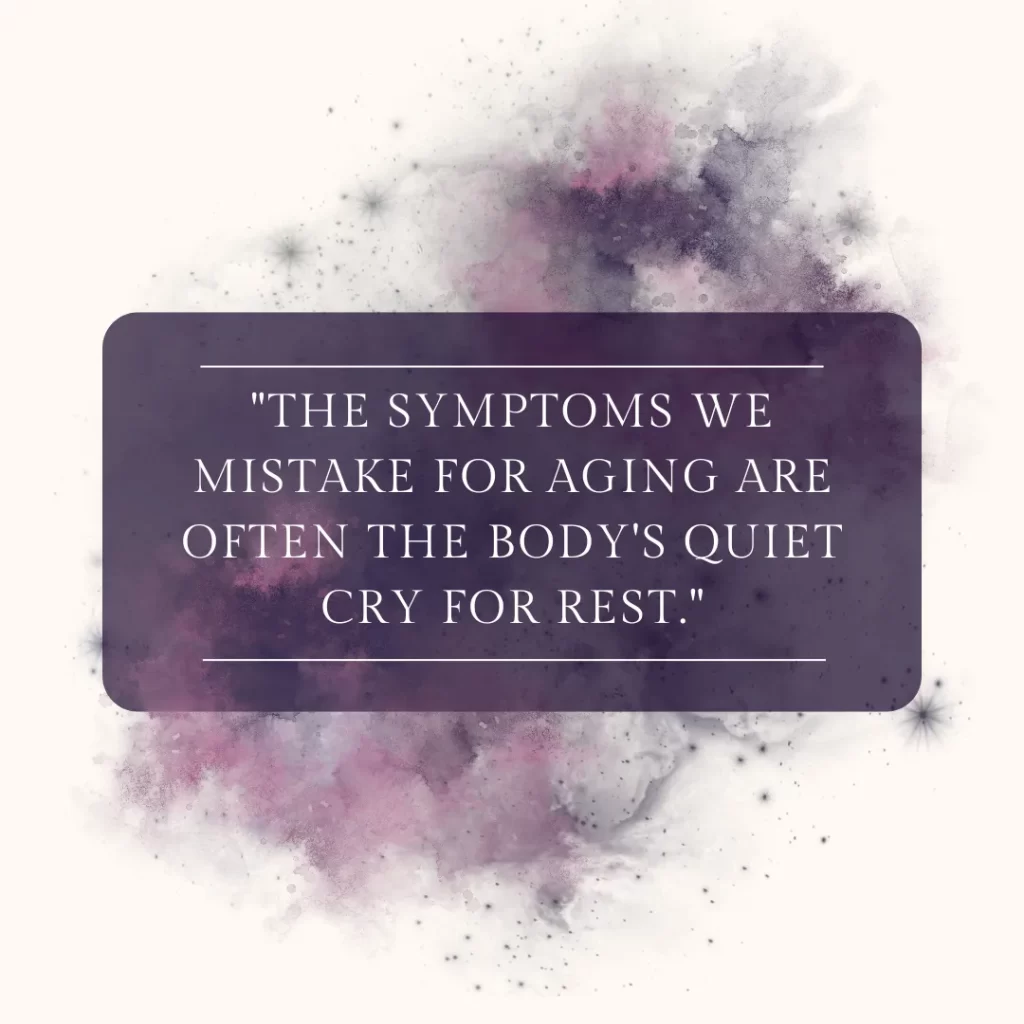
It's Not Just Aging or Perimenopause

For many women in particular, this pattern is often misinterpreted as aging or perimenopause. 

But in reality, the underlying issue is frequently a dysregulated nervous system that has been running on stress chemistry for too long. 


When the body remains in sympathetic dominance, the “fight or flight” state, cortisol remains elevated and metabolic regulation becomes increasingly strained.

The Good News: This Process Is Not Permanent

When the nervous system is brought back into parasympathetic balance, cortisol levels begin to normalize. 

Blood sugar regulation improves, insulin sensitivity can return, and the liver is no longer pushed to store excess fat. 


This is why addressing burnout and nervous system health is not simply about emotional well-being. 

It is about restoring the biological systems that govern metabolism, inflammation, and hormonal balance.

Your Body Knows How to Heal When You Stop Running on Stress

When people begin working with their nervous system rather than constantly pushing against their body, 

healing becomes possible in ways many never expected. 


Because sometimes the symptoms we blame on aging or hormones are actually signals that the body has been living in stress for far too long. And when that stress is resolved, the body often knows exactly how to repair itself.

Is Your Body Sending You a Signal?

 If you’ve been dealing with unexplained fatigue, weight that won’t shift, or symptoms that don’t seem to match any diagnosis, your nervous system may be the missing piece.   
Book a free discovery call with Paige to explore what’s really going on beneath the surface and how The Dharmic Path can guide you back to balance.
 

LIKE THIS ARTICLE? Share on

Facebook
Twitter
LinkedIn

© 2025 THE DHARMIC PATH, LLC | ALL RIGHTS RESERVED

© 2025 THE DHARMIC PATH, LLC | ALL RIGHTS RESERVED

Scroll to Top