
The Missing Piece Isn’t More Willpower. It’s Emotional Regulation


Paige Elizabeth
Founder and Coach
The Behavior Isn't the Real Problem
For years, we’ve been told that our biggest struggles are disorders, defects, or bad habits.
ADHD. Anxiety. Addiction. People pleasing. Overthinking. Emotional eating. Shopping. Scrolling. Workaholism.
We spend our lives trying to control the behavior without ever asking one important question:
What is the behavior trying to regulate?
What if these patterns aren’t actually the problem?
What if they’re solutions?
Not healthy or lasting solutions, but attempts by your nervous system to cope with emotional discomfort.
Your Nervous System Is Trying to Protect You
Every time you reach for your phone, pour another drink, binge another show, buy something you don’t need,
or obsess over someone else’s opinion, your nervous system is trying to solve a problem.
That problem is emotional discomfort.
Many of us learned early in life that certain emotions weren’t welcome.
Maybe you were taught not to cry, not to be angry, not to ask for help, or not to be “too much.”
Those emotions didn’t disappear. They simply went underground, becoming the abandoned parts of yourself that continue searching for your attention.
Why Willpower Rarely Creates Lasting Change
When those abandoned parts feel ignored, they create anxiety, emptiness, loneliness, restlessness,
and the constant feeling that something is missing.
Your nervous system naturally searches for relief.
Food becomes relief.
Alcohol becomes relief.
Busyness, relationships, achievement, perfectionism, and even overthinking become ways to avoid painful emotions.
This is why willpower alone rarely works.
Removing a coping mechanism without replacing it with emotional regulation is like
taking away someone’s life jacket before teaching them how to swim.
What Emotional Regulation Really Means
Real healing doesn’t begin by fighting your coping mechanisms.
It begins by understanding why they exist.
Emotional regulation isn’t about suppressing feelings or pretending everything is okay.
It’s the ability to stay connected to yourself while difficult emotions move through you.
It’s noticing anxiety without becoming anxiety. Feeling sadness without escaping it.
Experiencing anger without becoming destructive.
Sitting beside the frightened child within instead of abandoning them all over again.
What Happens When You Reconnect With Yourself
Something remarkable happens when you consistently reconnect with the parts of yourself you’ve ignored for years.
They stop screaming, not because they’ve disappeared, but because they’ve finally been heard.
The urgency begins to soften.
Racing thoughts become quieter.
The endless search for relief loses its intensity.
You realize that peace isn’t something you chase;
it’s something that naturally grows where self-abandonment once existed.
Healing Is Coming Home to Yourself
Many people spend years trying to become someone different.
Healing asks something far more powerful, it asks you to become someone your younger self can finally trust.
Someone who stays. Someone who listens.
Someone who doesn’t shame difficult emotions or run away from them.
The goal isn’t to become emotionless.
The goal is to become emotionally available to yourself.
When you become the safe place you’ve always been searching for, your need to constantly self-soothe begins to fade.
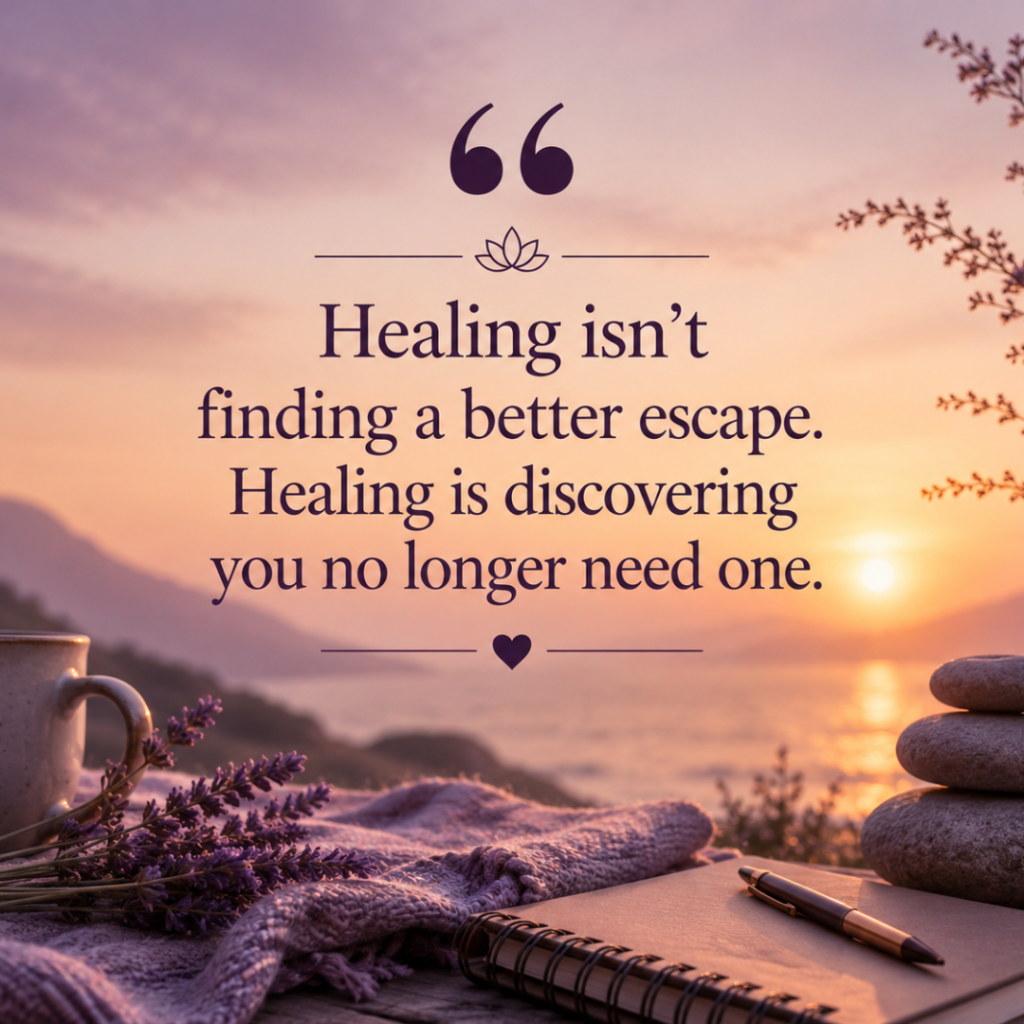
Healing isn’t finding a better escape.
Healing is discovering you no longer need one.
Ready to Stop Fighting Yourself?
You don’t have to keep relying on survival strategies that leave you feeling exhausted and disconnected.
Together, we’ll uncover what’s driving your emotional patterns, regulate your nervous system, and help you build a life rooted in peace instead of survival.
Book your complimentary discovery call today and begin your healing journey.
LIKE THIS ARTICLE? Share on
Facebook
Twitter
LinkedIn