
Perimenopause Is Not a Disease. Why Women Are Being Misled About Their Symptoms

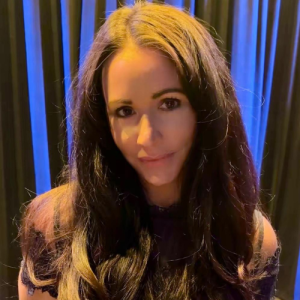
Paige Elizabeth
Founder and Coach
Perimenopause Is Not a Disease
There is a dangerous narrative circulating online right now that tells women over 35 that suffering is inevitable.
Fatigue? Perimenopause.
Anxiety? Perimenopause.
Weight gain? Perimenopause.
Brain fog? Perimenopause.
Women are being conditioned to believe that once their hormones begin fluctuating in midlife, dysfunction is unavoidable.
But perimenopause is not a disease. It is a natural biological transition, just like puberty.
The problem is not always the hormones
themselves.
The problem is often the condition of the body and nervous system trying to adapt to those changes.
Women Are Being Labeled Instead of Evaluated
When teenage girls experience hormonal symptoms, people ask questions.
They look at nutrition, stress, sleep, emotional wellbeing, and overall health.
But when women in their 40s experience symptoms, many are immediately told:
“Welcome to perimenopause.”
That distinction matters.
Because hormonal fluctuations are normal throughout a woman’s life.
What is often abnormal is chronic stress, nervous system overload, burnout, inflammation, and years of emotional suppression that leave the body struggling to adapt.
The Real Issue No One Is Talking About
The conversation should not only focus on estrogen and progesterone.
It should also focus on the nervous system and the HPA axis — the body’s central stress response system.
Chronic stress, unresolved trauma, poor sleep, burnout, under-eating, inflammation, toxic relationships, and years of survival mode can dysregulate the body’s ability to adapt.
This is why two women the same age can have completely different experiences during perimenopause.
The difference is often physiological reserve, not simply age.
The Difference Between Transition and Dysfunction
The female body was designed to adapt to hormonal fluctuations.
Puberty, pregnancy, postpartum, and perimenopause all involve hormonal shifts.
But adaptation becomes harder when the nervous system has been overloaded for years.
Many women were already exhausted, anxious, inflamed, undernourished,
and disconnected from their bodies long before perimenopause began.
Perimenopause often exposes dysfunction that was already there.
The body can compensate for years — until it no longer can.
Symptoms Are Information
Symptoms are not proof your body is broken.
They are communication.
Insomnia may reflect cortisol dysregulation.
Weight gain may reflect chronic stress adaptation.
Hair loss may reflect nutrient depletion or inflammation.
Anxiety may reflect nervous system hypervigilance.
Fatigue may reflect years of depletion and stress overload.
Hormones matter deeply.
But hormones do not exist in isolation from the nervous system, metabolism, gut health, emotional wellbeing, and stress physiology.
Everything in the body is connected.
Women Need Empowerment, Not Fear
Women deserve nuanced conversations about health.
They deserve to understand that hormonal fluctuations are normal, but severe suffering is often a sign the body needs support.
They deserve to know:
- Chronic stress impacts hormones
- Trauma impacts physiology
- Burnout affects the entire body
- Nervous system regulation matters
- Healing is possible
Women are not powerless.
And they are not doomed because they are getting older.
The Body Responds to Safety
The body cannot heal while trapped in survival mode.
When the nervous system constantly perceives stress, pressure, fear, emotional suppression, perfectionism, and chronic self-abandonment, the body prioritizes survival over repair.
This is why:
- Rest matters
- Boundaries matter
- Emotional processing matters
- Nervous system regulation matters
Healing begins when the body finally feels safe enough to repair.
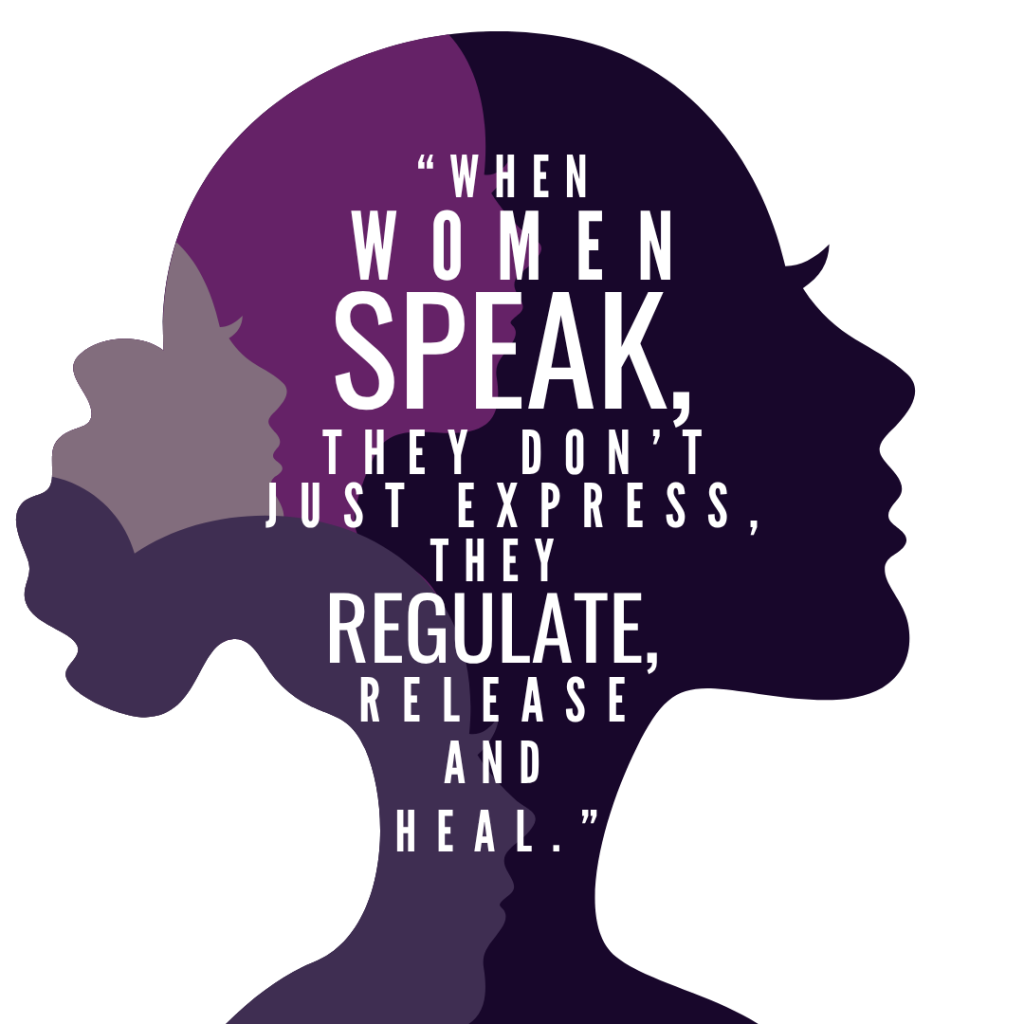
Why “When Women Speak, They Heal” Was Written
“When Women Speak, They Heal” was written for women who have spent years silencing themselves and normalizing suffering.
The book explores the connection between:
- Nervous system dysregulation
- Burnout
- Emotional suppression
- Identity
- Healing
Your body is not your enemy.
Your symptoms are not random betrayals.
Your body has been communicating with you the entire time.
And healing often begins the moment women stop silencing themselves long enough to listen.
Final Thoughts
If you are exhausted, overwhelmed, anxious, burned out, or feeling disconnected from your body, know this:
You are not weak.
You are not crazy.
And you are not doomed simply because you are getting older.
Your body may simply need support, safety, nourishment, and repair.
And that changes everything.
Ready to Understand What Your Body Is Really Telling You?
You do not have to keep guessing why you feel exhausted, overwhelmed, anxious, or disconnected.
Book a free Nervous System Assessment to discover what may actually be driving your symptoms and what your body truly needs to heal.
You can also grab Paige’s book, “When Women Speak, They Heal,” now on Amazon.
LIKE THIS ARTICLE? Share on
Facebook
Twitter
LinkedIn